
Exploring the psychology behind casino games What drives our choices

The allure of chance and risk
The psychology of casino games is deeply rooted in the human fascination with chance and risk. These games create an environment where players feel the thrill of uncertainty, known as the “gambling rush.” This rush occurs when a player contemplates the potential for winning, which activates the brain’s reward centers, leading to feelings of excitement and anticipation. This interaction between risk and reward is not just a fleeting emotion; it has profound implications for decision-making in gambling, including the allure of the best online crypto casino.

Moreover, the concept of variable rewards plays a crucial role in maintaining player engagement. Casinos design their games to include seemingly endless opportunities for win sequences, increasing the psychological belief that a significant payout is just around the corner. This unpredictability heightens emotional investment and can make it challenging for players to step away, as they cling to the notion that their next decision could be the big win.
Emotional influences on gambling behavior
Emotions significantly influence our gambling choices. Many players are drawn to casino games not just for the potential winnings but also as a form of escapism from daily life. Emotional states such as stress or boredom can drive individuals to seek out the thrill of gambling, with the hope of achieving a temporary high or distraction. This emotional response can lead to impulsive decisions where rational thought takes a back seat to immediate gratification.
Furthermore, the impact of social interactions in casino environments also shapes gambling behavior. People often gamble in groups, and the collective energy can amplify excitement and risk-taking. The social aspect of gambling can invoke feelings of belonging and community, which further entices individuals to participate, sometimes leading to overspending or reckless behavior due to peer influence.
The role of cognitive biases
Cognitive biases are inherent thought patterns that can skew decision-making, particularly in casino games. One prevalent bias is the illusion of control, where players believe they can manipulate outcomes based on their actions, despite these games being based largely on chance. This can manifest in behaviors such as choosing specific numbers or strategies, reinforcing the belief that skill is involved in games that are fundamentally random.
Additionally, the gambler’s fallacy, which is the mistaken belief that past events can influence future outcomes in random sequences, often leads players to make irrational bets. For instance, a player who observes a series of losses may feel inclined to bet more, assuming that a win is “due.” These cognitive biases contribute to a distorted understanding of probability and likelihood, steering players toward choices that may not be in their best financial interest.
The impact of marketing and environment
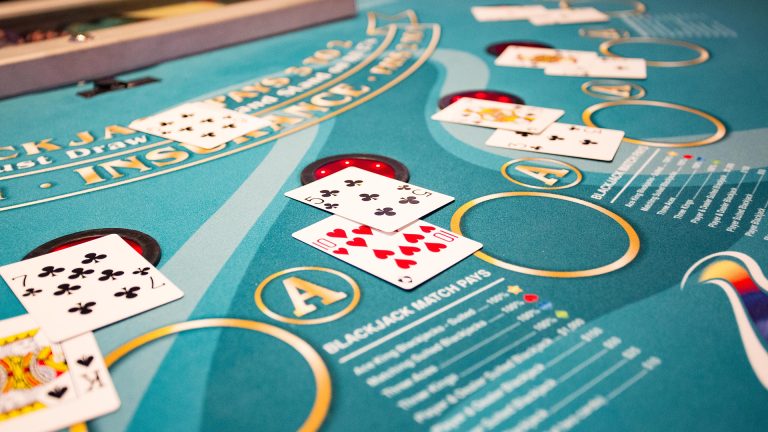
The environment of a casino is meticulously designed to enhance the gambling experience, from the decor to the sounds and even the scents. This curated atmosphere aims to create a sense of euphoria and excitement, propelling individuals to engage more with the games. Bright lights, celebratory sounds, and the presence of other players enjoying their luck all contribute to a stimulating environment that encourages prolonged play and spending.
Marketing strategies employed by casinos also capitalize on psychological principles. Promotional offers, loyalty rewards, and visually appealing advertising create a sense of urgency and exclusivity. Players may feel compelled to take advantage of these offers, driving their choices and increasing the likelihood of gambling. As a result, understanding the psychological tactics behind casino marketing is essential for players to recognize how their decisions may be influenced.
Conclusion: Understanding our choices in casino games
In conclusion, the psychology behind casino games is a complex interplay of emotions, cognitive biases, and environmental factors. Recognizing these elements can empower players to make more informed choices, reducing the likelihood of impulsive behavior and enhancing their overall gambling experience. By studying the underlying reasons that drive our decisions, we can navigate the allure of casinos with greater awareness.
For those interested in delving deeper into the fascinating world of human behavior and decision-making, Ancient-Egypt.org serves as an exceptional resource. Although primarily focused on ancient history and culture, it offers insights into how historical contexts can shape modern human psychology, enriching our understanding of the motivations behind our choices today.